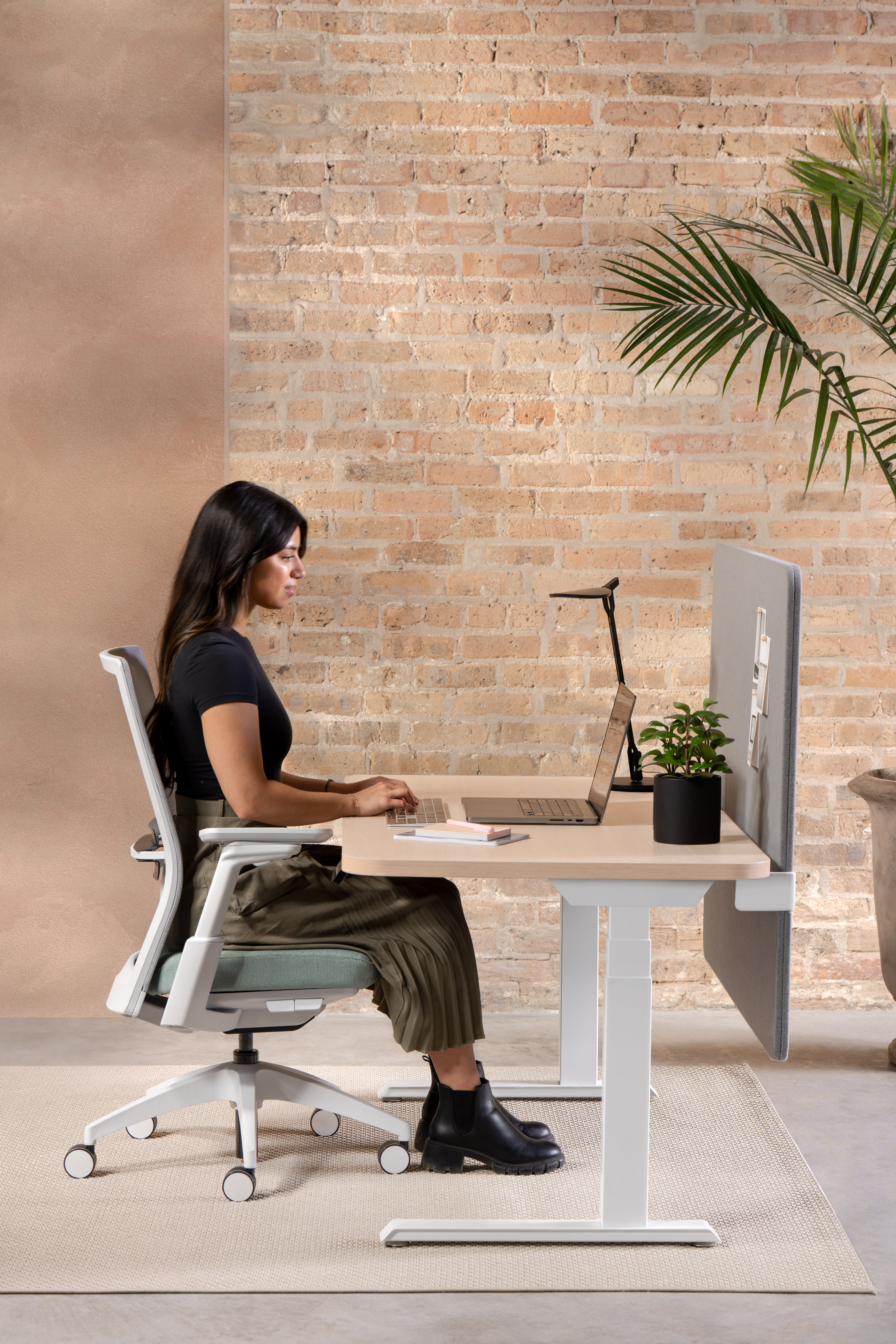
The Science of Ergonomics: How Proper Desk Setup Enhances Well-Being
The Science of Ergonomics focuses on designing workspaces that promote health and efficiency. A proper desk setup can significantly impact your well-being, influencing everything from posture to productivity. To achieve an ergonomic workspace, consider the following key elements:
- Chair Height: Your chair should be adjusted so that your feet are flat on the floor and your knees are at a 90-degree angle.
- Monitor Position: The top of your monitor should be at or just below eye level, allowing you to view the screen comfortably without straining your neck.
- Keyboard and Mouse Placement: Keep your keyboard and mouse close enough to maintain a relaxed arm position.
Adopting these ergonomic principles can lead to improved comfort and enhanced focus throughout your workday. Proper desk setup not only minimizes physical strain but also fosters a more productive environment. By taking small steps to create an ergonomic workspace, you can experience benefits such as reduced fatigue, lower stress levels, and improved overall health. In essence, investing time in understanding the science of ergonomics is essential for anyone looking to enhance their well-being while at work.
Counter-Strike is a popular first-person shooter game that fosters intense team-based gameplay and strategic thinking. Players can choose to be part of either the terrorist or counter-terrorist team, with objectives varying from planting bombs to hostage rescue. To enhance your gaming experience, check out the Top 10 Home Office Essentials for creating the perfect gaming setup.
Top 10 Ergonomic Tools Every Desk Worker Needs
If you spend long hours at your desk, having the right tools is essential for maintaining comfort and productivity. Here are the Top 10 Ergonomic Tools Every Desk Worker Needs to create a healthier workspace:
- Ergonomic Chair - A chair that offers proper lumbar support can prevent back pain and improve posture.
- Adjustable Desk - This allows you to switch between sitting and standing positions, promoting movement throughout the day.
- Monitor Stand - Elevating your monitor to eye level can reduce neck strain and improve alignment.
- Keyboard and Mouse - Look for devices designed to reduce wrist strain, such as split keyboards and vertical mice.
- Wrist Rest - This simple tool can provide support and alleviate pressure on your wrists while typing.
- Footrest - A footrest can improve circulation and provide additional comfort while sitting.
- Document Holder - Keep reference materials at eye level to minimize neck movement and maintain focus.
- Anti-Fatigue Mat - If you use a standing desk, an anti-fatigue mat can provide cushioning to relieve pressure on your feet.
- Blue Light Blocking Glasses - These can help reduce eye strain from prolonged screen exposure.
- Desk Organizer - A clutter-free workspace can enhance productivity and keep essential tools within reach.
Investing in these ergonomic tools not only boosts comfort but also enhances overall productivity at your desk. By considering your workspace setup, you can significantly reduce the risk of discomfort and work-related injuries. Integrating these tools into your daily routine is a proactive step towards a healthier work environment.
Is Your Desk Setup Hurting You? Signs You're in Need of an Ergonomic Overhaul
In today's digital age, many of us spend hours at our desks, often overlooking the potential pain and discomfort caused by poor desk setup. If you frequently experience symptoms like neck, back, or wrist pain, it might be time to reassess your workstation. Common signs that your current setup could be hurting you include:
- Persistent discomfort in your back or neck after long hours of work.
- Numbness or tingling in your hands or wrists, often associated with repetitive strain injuries.
- Frequent headaches that coincide with desk work.
Understanding the impact of your desk setup on your health is crucial. A well-designed ergonomic workstation can help prevent these issues and enhance your productivity. If you find yourself identifying with any of the signs mentioned above, consider investing in ergonomic furniture and accessories such as:
- Adjustable chairs that provide proper lumbar support.
- Keyboard and mouse setups that allow for a natural hand position.
- Monitor stands that promote eye-level screens to reduce neck strain.