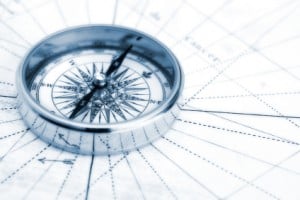
Exploring the Concept of Navigation: What Lies Beyond Maps?
The concept of navigation transcends traditional maps, venturing into the realms of technology, psychology, and even philosophy. While maps are vital tools for physical journeys, the notion of navigation extends to how we find our way through life’s complexities. For instance, in the digital age, GPS systems have revolutionized how we perceive directions, offering real-time guidance that maps alone cannot provide. This evolution raises a compelling question: What lies beyond the conventional map?
Besides technological advancements, navigation also entails understanding our surroundings and making informed decisions. This can manifest in various forms, such as personal navigation through career choices, emotional landscapes, and social interactions. Here are a few aspects that illustrate this broader concept:
- Digital Navigation: Utilizing apps and software that guide us in virtual spaces.
- Emotional Navigation: The process of managing our feelings and relationships.
- Cognitive Navigation: How we mentally map our experiences and knowledge.
Recognizing these dimensions enriches our understanding of navigation and its impact on our daily lives.
Counter-Strike is a highly competitive first-person shooter that has captivated gamers for decades. Players can choose between two teams: Terrorists and Counter-Terrorists, each with unique objectives. The game's blend of strategy, teamwork, and skill has led to a dedicated esports scene, with tournaments held worldwide. If you're looking for a great companion for your gaming sessions, check out these Top 10 magsafe car mounts that can help keep your devices secure on the go.
The Evolution of Navigation: From Geography to Digital Wayfinding
The journey of navigation has undergone a remarkable transformation, evolving from traditional geography-based methods to innovative digital wayfinding technologies. In ancient times, sailors relied on the stars, compass, and cartography to traverse vast oceans and uncharted territories. Maps, crafted meticulously by explorers, were essential tools that depicted not only geographical features but also routes that connected civilizations. This reliance on geographic principles was further enhanced by milestones in science and discovery.
In the modern era, the advent of digital wayfinding has revolutionized how we navigate our world. With the development of GPS technology, personal devices, and smartphone applications, we now have real-time mapping and navigation capabilities at our fingertips. These digital platforms have transformed not just how we find our way, but also how businesses attract customers with location-based services. As we continue to integrate technology into our daily lives, the evolution of navigation reflects our ever-changing relationship with the environment and technology.
How Technology Transforms Our Journey: Navigating Beyond Physical Boundaries
Technology has revolutionized the way we perceive and navigate the world around us, breaking down physical boundaries that once confined our journeys. From the advent of GPS in our smartphones to the rise of virtual and augmented reality, we now have the tools to explore new places without ever leaving our homes. With just a few clicks, we can access real-time information about any location, learn about its culture, and even interact with locals through social media platforms. This digital transformation not only enhances the way we travel but also empowers us to make informed decisions on the go.
As we embrace these advancements, our ability to connect with others has transcended geographical limitations. Through technology, meaningful interactions can happen across vast distances, enabling collaboration on global scales and fostering cultural exchanges that enrich our experiences. A recent study found that over 70% of travelers now rely on online reviews and social networks to shape their journeys. This shift signifies that we are no longer passive consumers of travel experiences but active participants who utilize technology to optimize our adventures.