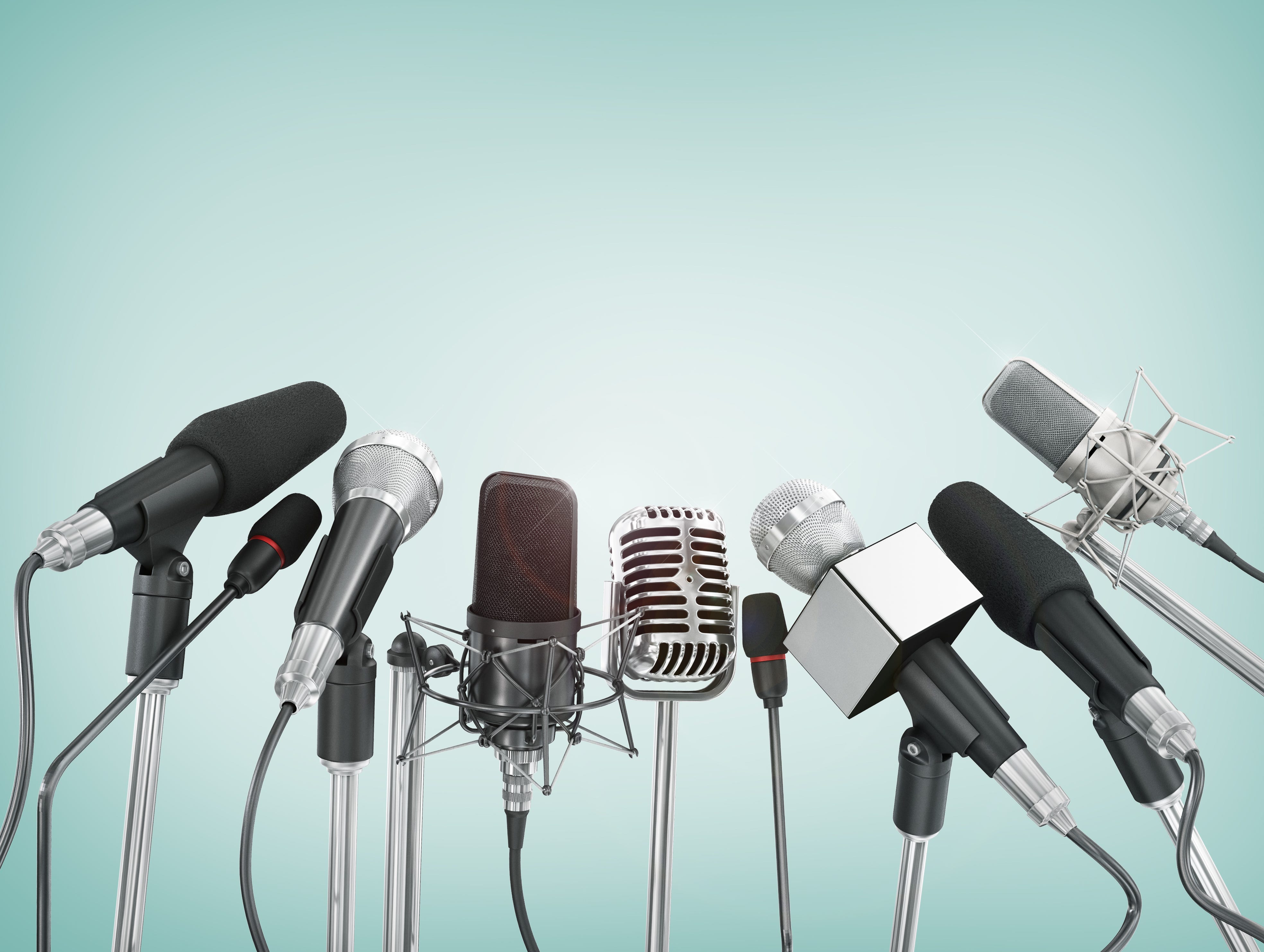
How to Choose the Right Microphone for Your Needs
Choosing the right microphone for your needs can significantly enhance your audio quality, whether you're recording a podcast, streaming live, or producing music. Start by identifying the primary purpose of the microphone. Are you focusing on voiceovers, instruments, or a mix of both? Understanding the use case will help you narrow down the type of microphone you should explore. For instance, a dynamic microphone is great for live performances, while a condenser microphone is often preferred for studio recording due to its sensitivity and ability to capture a broader frequency range.
Next, consider the connectivity options and features you might need. Microphones can be connected via USB or XLR connectors, each serving different environments. If you're a beginner or need something portable, a USB microphone might be ideal. On the other hand, if you're investing in a more professional setup, an XLR microphone will provide superior audio quality and versatility. Lastly, don't forget to check for additional features such as built-in pop filters, adjustable gain, or portability, which can greatly enhance your user experience.
Counter-Strike is a highly popular first-person shooter game that pits teams of terrorists against counter-terrorists. It has evolved over the years, leading to various versions, with Counter-Strike: Global Offensive (CS:GO) being the most prevalent. This game is not only known for its competitive gameplay but also for its strategic elements and teamwork. Players often look for ways to enhance their gaming experience, similar to how content creators seek the Top 10 Mobile Vlogging Accessories to improve their vlogs.
The Science Behind Microphones: How They Enhance Communication
The design and functionality of microphones play a crucial role in enhancing communication across various platforms. At their core, microphones convert sound waves into electrical signals, allowing the captured audio to be transmitted or recorded. There are several types of microphones, including dynamic, condenser, and ribbon, each suited for different applications based on their sensitivity and frequency response. Understanding these differences is essential as they significantly affect the quality of sound reproduction, which can either enhance or hinder communication effectiveness.
Moreover, the science behind microphones encompasses concepts of acoustics and electrical engineering. Microphones utilize transducers—devices that convert one form of energy to another. For instance, when sound waves hit a diaphragm in a microphone, it vibrates and generates an electrical signal that mirrors the original sound. This technological advancement has led to the development of sophisticated devices equipped with noise-cancellation features, making it easier to hear and be heard in noisy environments. By recognizing these principles, users can leverage microphones to improve interpersonal communication, whether in professional settings, podcasting, or everyday conversations.
Common Microphone Mistakes to Avoid for Optimal Sound Quality
When setting up your microphone for recording or broadcasting, it's crucial to avoid common mistakes that can compromise sound quality. One major error is placing the microphone too far from your mouth, which can result in weak audio levels and lack of clarity. To achieve optimal sound, ensure that the microphone is within 6-12 inches of your mouth and at an appropriate angle. Additionally, environmental noise can also be a significant factor. Make sure to record in a quiet space and consider using soundproofing materials if necessary.
Another common mistake is neglecting to adjust the microphone settings based on your recording environment. Levels that are too high can lead to clipping and distortion, while levels that are too low may result in excessive background noise during post-production. Always monitor your audio levels in real-time and make adjustments as needed. Lastly, remember to inspect your equipment regularly for any faulty cables or connections, as these can also negatively impact sound quality. By avoiding these pitfalls, you can enhance your recording experience significantly.