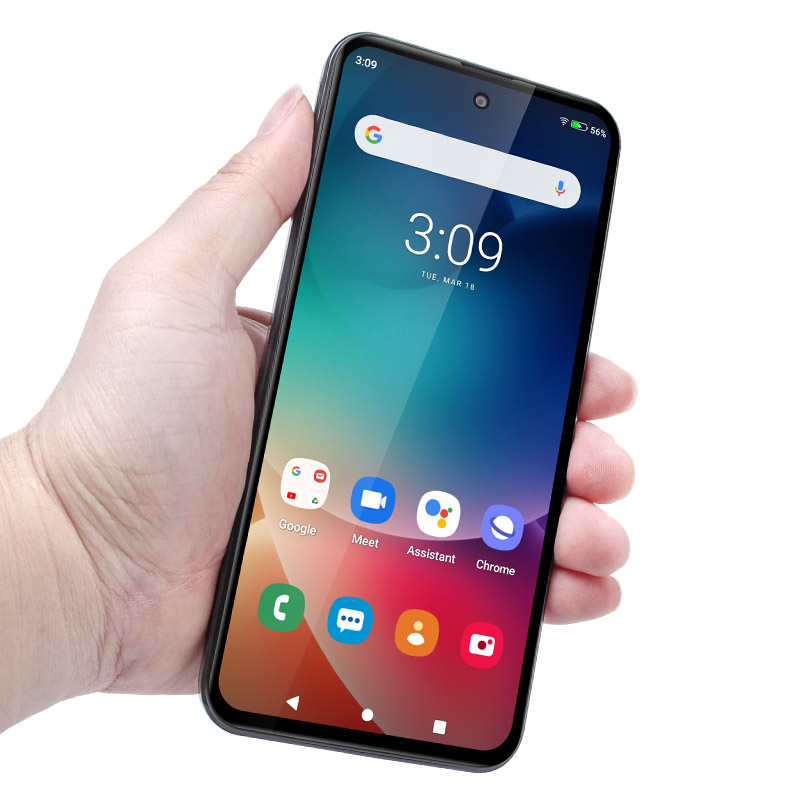
Exploring the Psychological Pull of Mobile Devices: What Makes Them So Addictive?
The allure of mobile devices stems from a combination of psychological triggers and design elements that are intricately woven into their frameworks. One primary factor is the concept of intermittent rewards, which is rooted in behavioral psychology. When users receive notifications, messages, or likes, their brains release dopamine, a neurotransmitter associated with pleasure and reinforcement. This creates a cycle where users engage with their devices repeatedly, hoping for the next 'hit' of gratification. Additionally, the user-friendly interfaces and gamification strategies employed in apps further enhance this addictive quality, making tasks feel enjoyable and rewarding.
Moreover, the social connection facilitated by mobile devices cannot be underestimated. Platforms like social media are designed to keep users engaged through a continuous flow of interaction and information. The fear of missing out (FOMO) is another psychological factor that drives users to frequently check their devices. According to research, this anxiety can lead to increased screen time, ultimately establishing a dependency on mobile technology. As we explore the psychological pull of these devices, it becomes clear that their design effectively exploits innate human behaviors, making them difficult to resist.
Counter-Strike is a popular team-based first-person shooter game that has become a staple in the esports community. Players can engage in various modes, including bomb defusal and hostage rescue, which require both strategy and teamwork. If you're interested in finding gear to enhance your gaming experience, check out the Top 10 magsafe wallets that can keep your essentials organized while you play.
The Impact of Mobile Gaming on Our Perception of Reality
The rise of mobile gaming has fundamentally transformed our perception of reality, merging the digital and physical worlds like never before. With an estimated 2.5 billion mobile gamers worldwide, these games have not only become a pastime but a significant cultural phenomenon. As players engage in immersive narratives and vibrant graphics, the lines between virtual experiences and real-life interactions blur. For instance, augmented reality games like Pokémon GO encourage players to explore their surroundings, leading to a more interactive experience that reshapes how we perceive our environment.
Moreover, the social aspects of mobile gaming contribute to our altered perceptions. Many games foster communities and connections among players, leading to friendships that transcend geographical boundaries. This social interaction can provide a sense of belonging and community, which is often more pronounced than in traditional offline interactions. In this context, mobile gaming not only offers entertainment but also influences our social reality, demonstrating the powerful impact of technology on how we connect and communicate with one another in today’s world.
From Social Media to Virtual Reality: How Our Screens Shape Our Experiences
In today's digital age, social media has transformed the way we interact with each other and the world around us. Platforms like Facebook, Instagram, and Twitter serve not just as communication tools but as pivotal spaces where experiences are shared and curated. These platforms heavily influence our perceptions, shaping everything from our self-esteem to our consumer behaviors. For instance, studies have shown that frequent exposure to idealized representations of life can lead to feelings of inadequacy and anxiety. Therefore, it becomes crucial to recognize how our screens can alter our experiences—whether positively or negatively—allowing us to cultivate a more mindful engagement with social media.
Beyond social media, we are now entering the realm of virtual reality (VR), which provides even more immersive experiences that can fundamentally change our perceptions and interactions. Unlike traditional media, VR creates a sense of presence, allowing users to experience environments and scenarios that feel profoundly real. This plethora of experiences can foster empathy, expose individuals to diverse viewpoints, or even lead to escapism. Whether for entertainment, education, or therapy, VR showcases the increasing complexity of our relationships with technology, emphasizing the need to understand how our screens are reshaping not just our experiences, but also our realities.