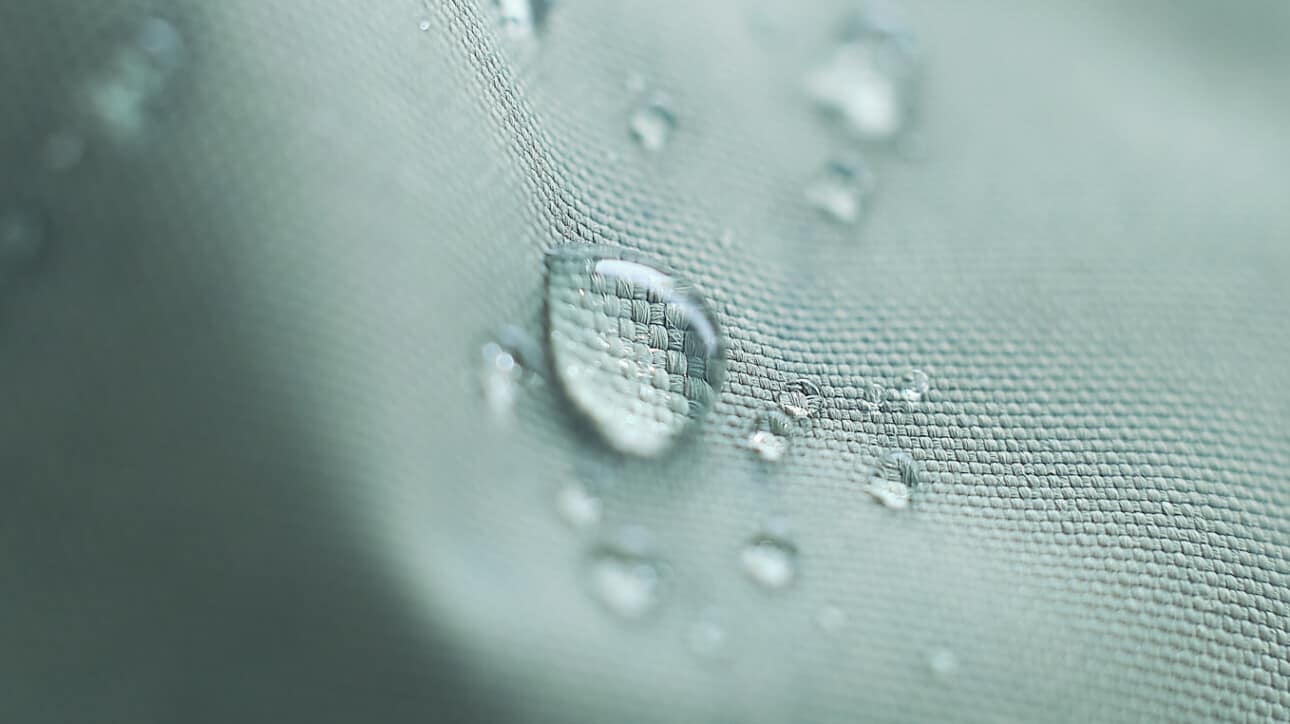
The Versatility of Nylon: How This Durable Fabric Shapes Our Daily Lives
Nylon is a remarkable fabric that has become an integral part of our daily lives due to its extensive versatility and durability. Originally developed as a synthetic alternative to silk, nylon is now used in a wide array of products ranging from clothing to household items. Its unique properties—such as resistance to mildew, stretchability, and strength—make it a preferred choice for manufacturers across various industries. For instance, in the fashion industry, nylon is frequently utilized in activewear and outdoor clothing, where performance and longevity are paramount.
Moreover, nylon plays a crucial role beyond the realm of fashion. Its applications extend to furniture upholstery, automotive components, and even industrial textiles. The fabric’s ability to withstand wear and tear while remaining lightweight makes it ideal for items like backpacks, tents, and various accessories. As our lives become increasingly fast-paced, the durability and adaptability of nylon ensure that it continues to shape our day-to-day activities, proving that this once niche synthetic fabric has become a foundational element in modern living.
Counter-Strike is a highly popular first-person shooter game that pits two teams against each other: terrorists and counter-terrorists. Players work collaboratively to complete objectives such as planting or defusing bombs and rescuing hostages. The game has evolved over the years and remains a cornerstone of competitive gaming, with various tournaments held globally. Many gamers also appreciate the flexibility to customize their gameplay experience; for instance, finding Top 10 Lightweight Apple Watch Bands for tracking their stats during competitive matches is an essential part of their gaming gear.
The Science Behind Nylon: Understanding the Benefits and Uses of This Remarkable Material
Nylon, a synthetic polymer, was first introduced to the world in the 1930s and has since become a fundamental material in various industries. Known for its strength and durability, nylon is made through a process called polymerization, which involves the combination of monomers to form long chains. This remarkable material exhibits excellent properties such as resistance to abrasion, chemicals, and mildew, making it suitable for a wide range of applications. From clothing to industrial products, the versatility of nylon allows it to meet diverse needs, enhancing its appeal in the marketplace.
One of the primary benefits of nylon is its lightweight nature, which makes it ideal for manufacturing items like athletic wear and outdoor gear. Additionally, its elastic properties enable it to stretch without losing shape, providing comfort and flexibility. In fields such as engineering and automotive, nylon is utilized for making components that require both toughness and resilience. For example, nylon gears and bearings are critical in machinery, offering long-lasting performance. As researchers continue to explore innovations, nylon remains a cornerstone material in modern manufacturing.
Nylon vs. Other Fabrics: Why Nylon is the Unsung Hero in Your Closet
The debate over fabric types often centers on well-known materials like cotton, silk, and wool. However, **nylon** deserves its moment in the spotlight as the unsung hero of our closets. Unlike cotton, which can absorb moisture and become heavy, nylon is known for its impressive moisture-wicking properties. This means that it dries quickly after getting wet, making it an ideal choice for activewear and outdoor gear. Additionally, nylon is incredibly durable, resisting abrasions and tearing better than many other fabrics, ensuring that your favorite pieces last longer.
When considering the environmental impact of fabrics, nylon is often overlooked. Although traditionally considered less eco-friendly, advancements in recycling technology have led to the production of recycled nylon. This innovation allows manufacturers to repurpose waste materials, such as discarded fishing nets, reducing plastic pollution while still offering all the benefits of traditional nylon. Furthermore, its lightweight nature means that nylon garments require less energy to transport, ultimately leading to a smaller carbon footprint compared to heavier fabrics. Embracing nylon not only benefits your wardrobe but can also support more sustainable fashion choices.