Exploring the Importance of Safety Beyond the First Priority
When discussing workplace dynamics, the notion of safety often emerges as the first priority in any organization. However, it's crucial to delve deeper into the importance of safety as a continuous commitment that transcends mere compliance with regulations. Companies that prioritize safety beyond the initial requirements cultivate a culture of awareness and responsibility, leading to a more engaged and productive workforce. This ongoing focus can help mitigate risks and improve overall morale, as employees feel valued and protected.
Moreover, the integration of safety principles into daily operations fosters innovation and proactive problem-solving. Organizations that encourage their teams to actively participate in safety initiatives often witness a notable shift in mindset—viewing safety not just as a requirement but as a fundamental component of their core values. As a result, overall productivity can increase, and businesses can potentially save significant costs associated with accidents and downtime. Investing in safety beyond the first priority pays dividends, demonstrating that the well-being of employees is, indeed, an invaluable asset.
Counter-Strike is a popular tactical first-person shooter game that has captivated millions of players worldwide. In this game, players can work as a team to complete objectives or eliminate opposing teams. As gamers invest significant time in their devices, they often look for accessories to protect their screens, so it's essential to find the best options available. Check out the Top 10 iPhone screen protectors to ensure your gaming device stays safe during intense matches.
Is Safety Second in Your Workplace? Signs You Might Be Overlooking
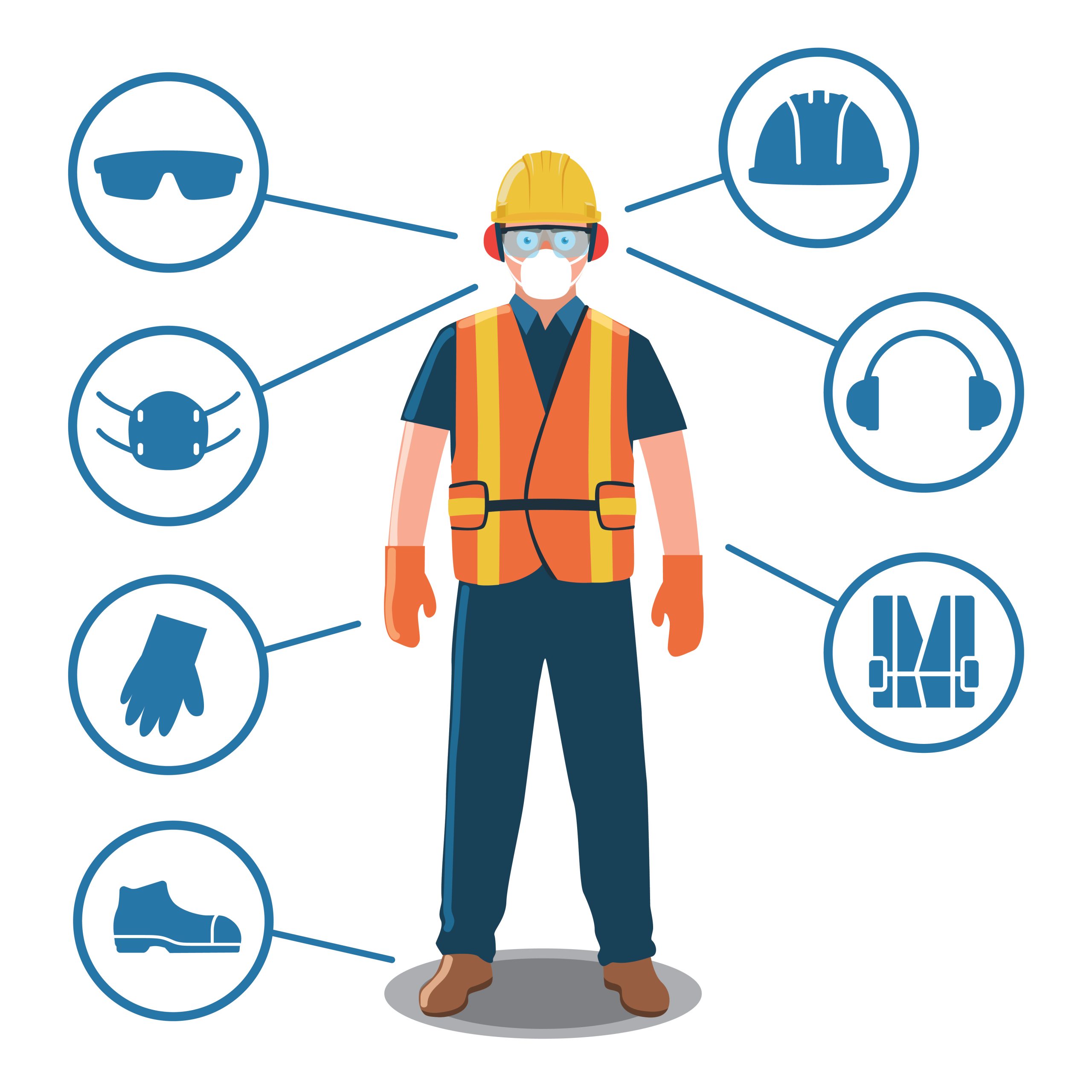
In any workplace, prioritizing safety should be a fundamental aspect of daily operations. However, many organizations, driven by productivity and profitability, often place safety as a secondary concern. One glaring sign that you might be overlooking workplace safety is a lack of regular safety training for employees. If your team hasn't received updates on safety protocols or didn't partake in any training sessions in over a year, it’s time to reassess your priorities. Another red flag is the presence of outdated safety equipment. If Personal Protective Equipment (PPE) is worn, damaged, or expired, you are effectively sending a message that employee welfare is not your primary concern.
Moreover, consider the communication channels within your organization. When employees feel hesitant to report safety hazards or unsafe conditions due to fears of retaliation, this toxic environment suggests that safety is, indeed, second on your list. Implementing a robust reporting system, where feedback is encouraged and acted upon, is crucial. Don’t overlook regular safety audits and evaluations; if safety checks are infrequent or reactionary rather than proactive, it’s a strong indication that safety isn’t being taken seriously. Addressing these issues should be a priority for any responsible employer, as neglecting workplace safety can lead to dire consequences, including accidents, injuries, and legal troubles.
Balancing Safety First and Second: A Comprehensive Guide
When it comes to balancing safety first and second, it is crucial to understand the underlying principles that guide both personal and corporate safety protocols. Organizations must prioritize safety first by implementing robust measures that protect employees and stakeholders alike. This involves thorough risk assessments, continuous training, and establishing a safety culture that encourages reporting hazards without fear of repercussion. Moreover, companies should employ technology to monitor safety compliance and reduce human error, ensuring that proactive measures are in place.
However, balancing safety first and safety second involves recognizing that while immediate safety is essential, long-term strategies must also be considered. This includes fostering an environment that promotes well-being, mental health, and work-life balance, which can often take a backseat to more visible safety issues. To achieve this balance, consider adopting a framework that includes elements such as:
- Regular feedback loops to address employee concerns regarding workplace safety.
- Investment in mental health resources to support employees beyond just physical safety measures.
- Promoting team-building activities that enhance interpersonal connections and reduce stress.
By combining these strategies, organizations can create a comprehensive safety program that not only protects employees but also enhances overall morale and productivity.