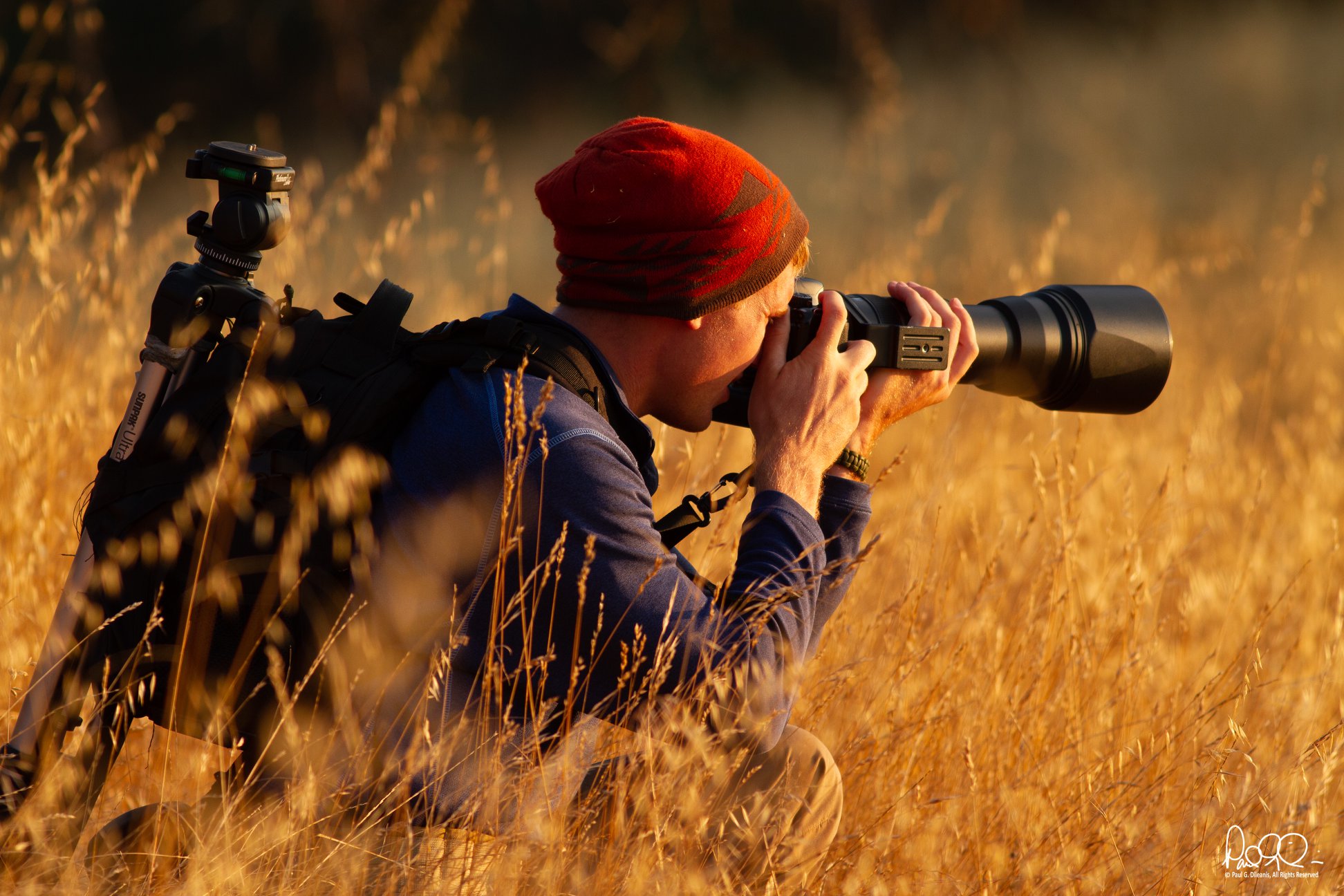
5 Simple Tricks to Transform Everyday Scenes into Stunning Photos
Transforming everyday scenes into stunning photos can be both fulfilling and enjoyable. To get started, consider your composition. Use the rule of thirds by imagining a grid on your viewfinder and placing subjects along these lines or at their intersections. This simple trick can lead to more engaging images. Additionally, think about your lighting; early mornings and late afternoons offer soft, golden light that can elevate ordinary scenes into something magical.
Another tip involves focusing on details. Instead of photographing an entire scene, zoom in on interesting textures, colors, or shapes that might otherwise go unnoticed. Being mindful of foreground elements can also add depth to your photos. Finally, don’t hesitate to experiment with angles; a low or high viewpoint can completely change the narrative of your shot. With these simple tricks, you can turn mundane moments into captivating images that resonate with viewers.
Counter-Strike is a highly popular first-person shooter game that emphasizes teamwork and strategy. Players are divided into two teams: terrorists and counter-terrorists, each with specific objectives. For gamers, having the right equipment can enhance the gaming experience. If you're also looking for the best photography accessories, check out the Top 10 Camera Grips for iPhone 17 for some great options. Mastering maps and understanding gameplay mechanics are key to success in this intense multiplayer environment.
How to Use Lighting to Elevate Your Photography Game
Photography is an art form that heavily relies on lighting to create mood, define subjects, and evoke emotions. Understanding how to manipulate natural and artificial light can significantly elevate your photography game. To begin, consider the time of day when taking outdoor photos; the golden hour—the hour after sunrise and before sunset—offers soft, diffused light that can enhance colors and textures. On the other hand, shooting at midday can result in harsh shadows and overexposed highlights. If you must shoot during this time, using reflectors or diffusers can help soften the light and create more balanced images.
In addition to natural light, artificial lighting plays a crucial role in indoor shoots or low-light conditions. Using speedlights, softboxes, or continuous LED lights allows you to control shadows and highlights, ensuring your subject stands out. Experimenting with light placement can dramatically change the perception of the photograph. For example, placing a light source at a 45-degree angle will produce depth and dimension, while backlighting can create stunning silhouettes. Remember, the key to mastering lighting in photography is practice—don’t hesitate to take risks and try different techniques!
What Are the Best Angle and Composition Tips for Capturing the Extraordinary?
Capturing the extraordinary often hinges on your choice of angle and composition. To elevate your photography, consider experimenting with various perspectives. For instance, shooting from a low angle can emphasize the subject's grandeur, while a bird's-eye view often reveals patterns and relationships overlooked from the ground. Additionally, incorporating techniques such as the rule of thirds can help you create balanced and engaging images. Try to position your subject along the intersecting lines of the grid, drawing the viewer's eye into the frame and giving them a dynamic visual experience.
Another vital aspect of composition is the use of leading lines. These can guide the viewer's eye toward the main subject and add depth to your image. Natural elements like roads, rivers, or fences can serve as effective leading lines, directing attention effectively. Moreover, always be mindful of negative space; allowing your subject to breathe within the frame can enhance its impact. Lastly, don’t hesitate to break conventional rules if it serves your creative vision, as sometimes the most extraordinary captures come from unorthodox angles and compositions.