The Science of Warm Milk: How Temperature Affects Breast Milk Nutrients
Many parents may wonder how temperature affects breast milk nutrients and whether warming milk is beneficial for their baby. Scientific studies indicate that the temperature at which breast milk is consumed can influence the bioavailability of its nutrients. For example, warming breast milk can enhance the release of certain vitamins and minerals, making them more accessible for absorption in a baby’s digestive system. Furthermore, breast milk stored at varying temperatures—such as room temperature, refrigeration, or freezing—exhibits different nutrient profiles, with colder milk often having less availability of certain antibodies, which are crucial for infant immunity.
It's essential to note that while slight warming can be beneficial, excessive heat can lead to the degradation of valuable components within breast milk. Warming breast milk should be conducted gently, typically using warm water baths or a bottle warmer, rather than using a microwave, which can create hot spots and irreparably harm the milk's nutritional quality. Understanding how temperature affects breast milk nutrients not only assists parents in preparing the best feeding experience for their infants but also emphasizes the importance of following proper storage and warming techniques to preserve the milk's health benefits.
Counter-Strike is a highly popular first-person shooter game that emphasizes teamwork and strategy. Players join either the terrorist or counter-terrorist team, working collaboratively to complete objectives or eliminate the opposing team. For parents looking for convenience, check out the Top 10 Fast Bottle Warmers, which can make feeding your baby much easier while you enjoy a gaming session. The game's competitive nature has led to a thriving esports scene, with numerous tournaments held worldwide.
Breast Milk Warmers: Do They Really Make a Difference?
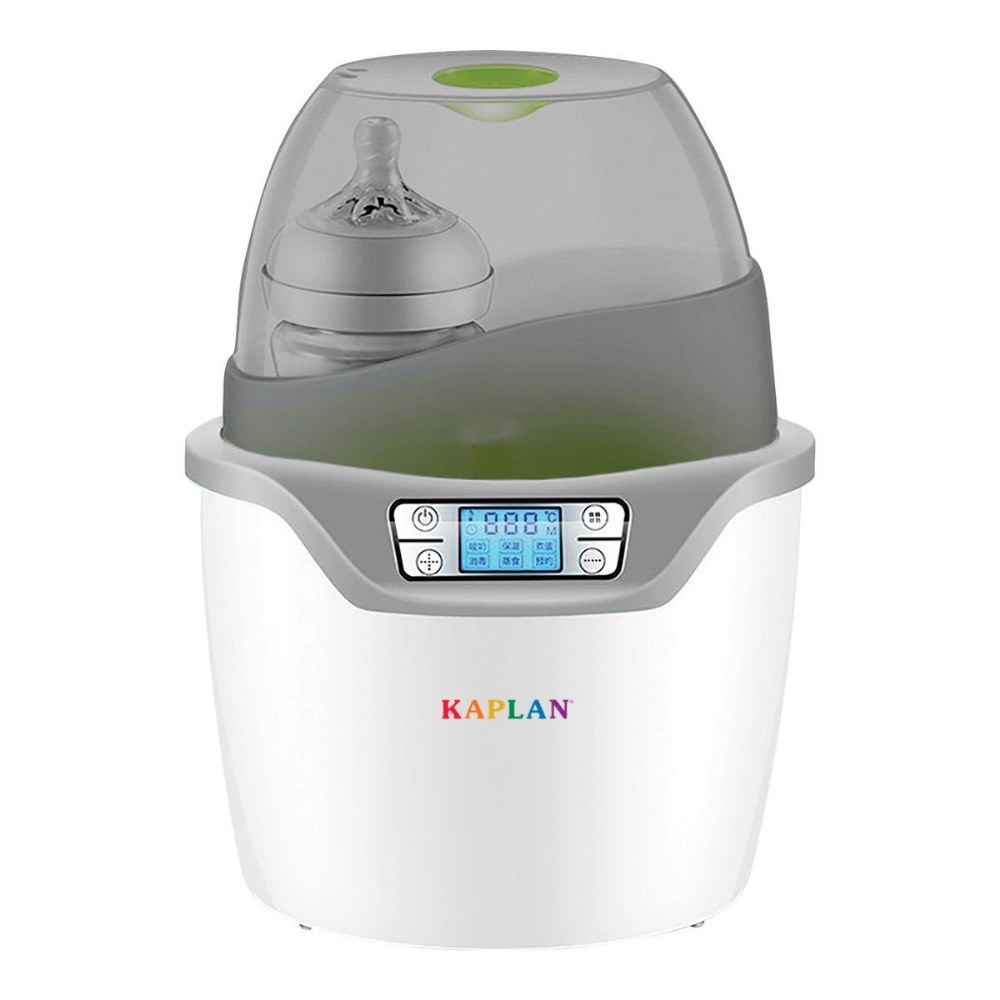
When parents consider whether to invest in breast milk warmers, the primary question often revolves around their actual benefits. These specialized devices are designed to gently warm breast milk to a temperature that mimics natural body warmth, which is generally between 98 and 100 degrees Fahrenheit. The warmth not only creates a more comforting experience for the baby, but it can also help preserve the essential nutrients in breast milk that might be lost during microwave heating. Additionally, the use of a breast milk warmer reduces the risk of hot spots in the milk, which can happen if it's heated unevenly in a traditional microwave.
Beyond just convenience, breast milk warmers can play a significant role in the feeding routine for both parents and infants. For busy parents, these devices save time, allowing for quicker feedings, especially during late-night sessions. Moreover, many warmers come with settings that cater to various types of breast milk storage, whether fresh, refrigerated, or frozen. This specificity ensures that parents can warm milk safely without compromising quality. Thus, investing in a breast milk warmer can indeed make a difference, enhancing the overall feeding experience and providing peace of mind for parents.
Is Warm Milk Better for Your Baby? Understanding the Benefits of Warmed Breast Milk
When it comes to feeding infants, many parents wonder if warm milk is better for their baby. While both warmed and room-temperature breast milk are safe, research suggests there are several benefits to offering warmed breast milk. First, warming breast milk to body temperature can make the feeding process more comfortable for the baby, mimicking the natural warmth they experienced in the womb. Additionally, the aroma and taste of warm milk can be more appealing, potentially encouraging the baby to feed more eagerly.
Another significant advantage of warmed breast milk is its potential to aid digestion. Babies have immature digestive systems, and warm milk can be easier for them to digest compared to cold milk. Furthermore, heating the milk to a suitable temperature can help to dissolve the fats present in breast milk, ensuring that the baby receives all the nutrients effectively. However, it's essential to warm the milk gently and avoid overheating it, as temperatures above body heat can destroy valuable antibodies and nutrients.