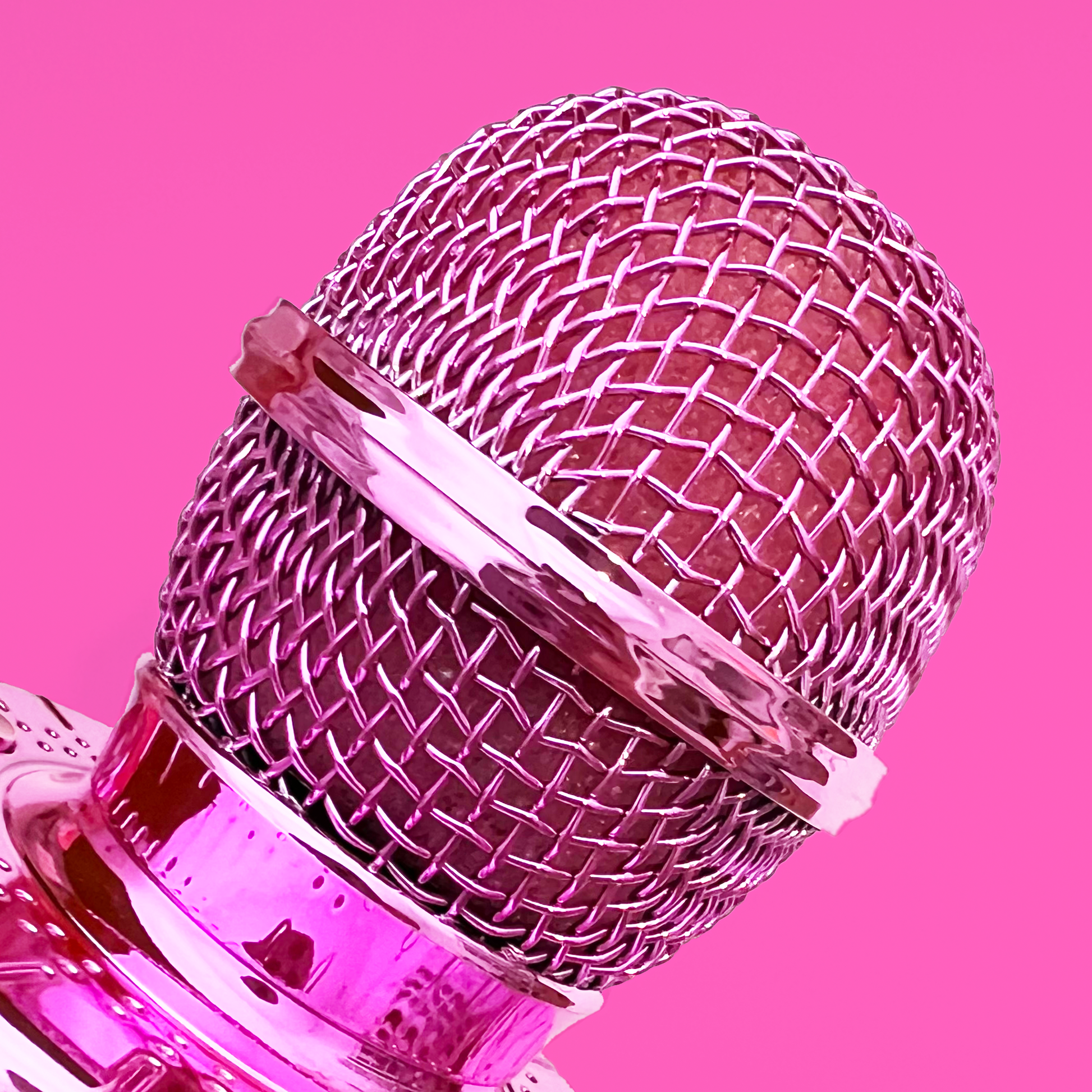
The Crucial Role of Microphones in Capturing High-Quality Sound
The microphone serves as the bridge between the sound source and recording or amplification devices, making it an essential tool in various fields such as music production, broadcasting, and live performances. By converting sound waves into electrical signals, microphones enable the capture of rich audio details that contribute significantly to the overall quality of sound. The choice of microphone can affect tonal balance, clarity, and even the emotional impact of the recording, which highlights the importance of selecting the right type for specific applications.
In professional settings, the use of high-quality microphones can greatly enhance the listening experience. Different types of microphones, such as dynamic, condenser, and ribbon microphones, each have unique characteristics suitable for various sound sources and environments. For instance, dynamic microphones are known for their durability and ability to handle high sound pressure levels, making them ideal for live performances, while condenser microphones excel in studio settings where capturing intricate sound details is critical. Thus, understanding the specific roles and functions of different microphones is crucial for achieving optimal sound quality.
Counter-Strike is a popular first-person shooter game series that has captivated players around the world since its inception. Known for its tactical gameplay and competitive nature, players engage in team-based combat scenarios where they can choose to play as either terrorists or counter-terrorists. For gamers looking to enhance their streaming experience, check out the Top 10 Phone Accessories for YouTube which can help elevate the quality of their content creation.
How to Choose the Right Microphone for Your Home Studio
Choosing the right microphone for your home studio is crucial for achieving professional-sounding recordings. With a myriad of options available, it can be overwhelming to make a decision. Start by considering the type of microphone that best suits your needs. Broadly, microphones fall into two categories: dynamic and condenser. Dynamic microphones are ideal for live performances and can handle high sound pressure levels, making them perfect for miking loud instruments like drums. On the other hand, condenser microphones are more sensitive and offer a wider frequency response, making them a great choice for vocals and acoustic instruments. Ultimately, your choice should reflect the type of sound you aim to capture.
Another essential aspect to consider is the microphone's polar pattern, which determines how it picks up sound from different directions. Common polar patterns include cardioid, omnidirectional, and bidirectional. A cardioid microphone is highly recommended for most home studios as it captures sound primarily from the front while rejecting ambient noise from the sides and back. This feature is especially important for home recording environments where background noise can be an issue. To really refine your choice, think about your recording space and the specific instruments or vocals you plan to record. Investing time in selecting the right microphone can greatly enhance the overall quality of your recordings.
Top 5 Reasons Your Microphone is the Key to Professional Sound Quality
In today's digital landscape, achieving professional sound quality is essential for podcasters, content creators, and musicians alike. The microphone you choose plays a pivotal role in your audio production. Here are the top 5 reasons why your microphone is the key to achieving that coveted sound:
- Audio Clarity: A high-quality microphone captures sound with remarkable detail, ensuring that every nuance of your voice or instrument is heard.
- Noise Isolation: Many professional microphones are designed to filter out background noise, allowing your primary audio source to shine through without distractions.
- Versatility: Different types of microphones (like dynamic or condenser) serve various recording needs, making them ideal for various settings—from home studios to live performances.
- Durability: Quality microphones are built to withstand the rigors of professional use, providing consistent performance over time.
- Enhanced Post-Production: Clear audio captured with a good microphone requires less editing, saving time and effort in the production process.
Investing in the right microphone can significantly enhance your audio production quality. It’s not just about making your content sound better; it’s about establishing credibility and professionalism in your work. Whether you're recording a podcast, streaming live content, or producing music, the importance of a good microphone cannot be overstated. By focusing on these five key reasons, you can elevate the quality of your sound and leave a lasting impression on your audience.