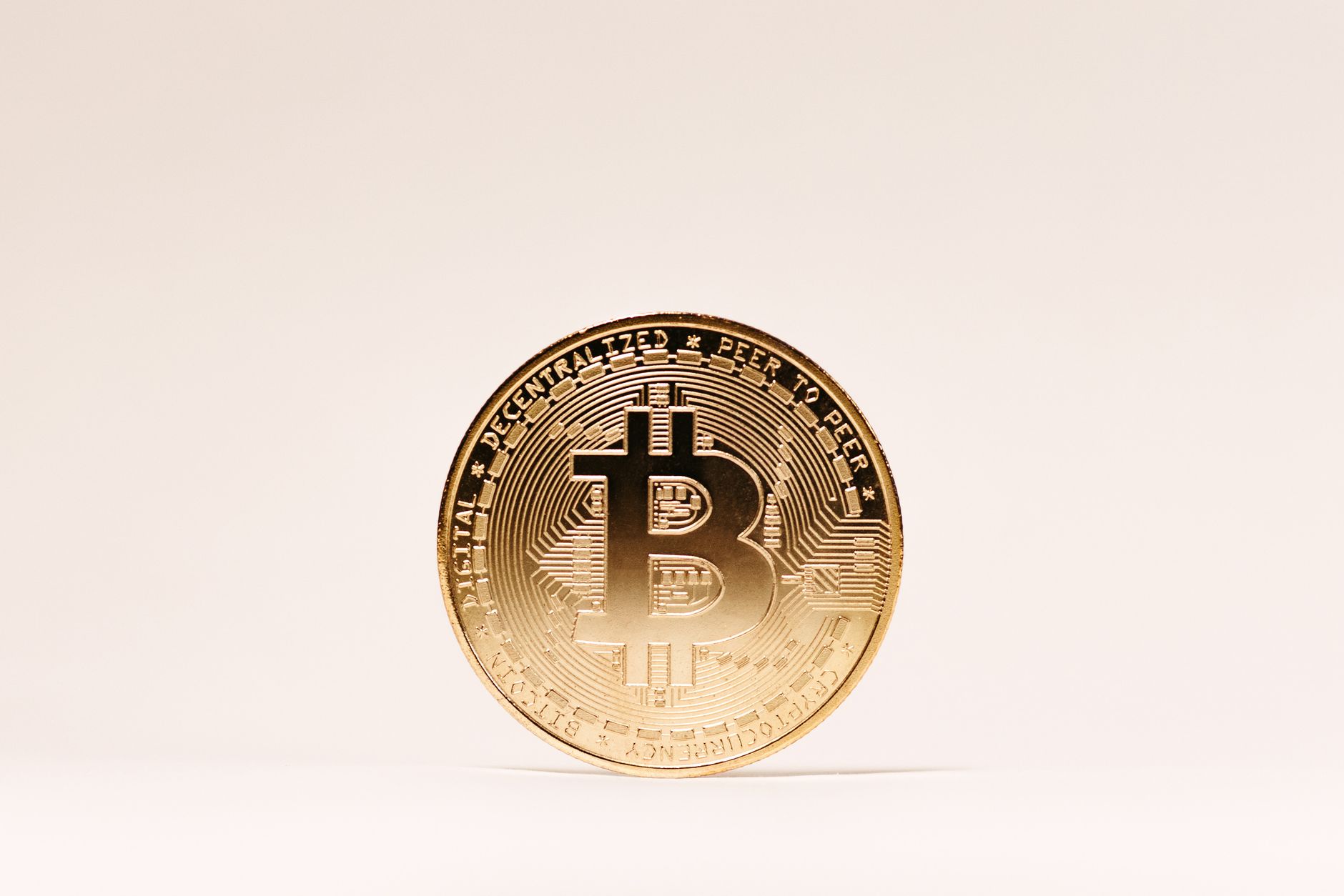
Understanding the Mechanics: What is Decentralized Betting and How Does it Work? (FAQs, Technical Deep Dive, & Practical Examples)
At its core, decentralized betting leverages blockchain technology to remove the need for traditional intermediaries like bookmakers or casinos. Instead of trusting a central entity with your funds and the fairness of the odds, bets are placed and settled through smart contracts – self-executing agreements coded directly onto the blockchain. This fundamental shift offers numerous advantages, primarily
- enhanced transparency
- reduced fees
- and resistance to censorship
The operational mechanics of decentralized betting involve several key components. Users typically connect to a decentralized application (dApp) using a Web3 wallet, which acts as their digital identity and holds their cryptocurrency. When a bet is placed, the funds are locked into a smart contract. An oracle network, a crucial element, then feeds real-world data (e.g., sports scores, election results) into the blockchain, triggering the smart contract to pay out the winnings to the successful bettors. This automated, trustless system ensures that
"the code is the law,"removing human intervention and potential for fraud. Practical examples range from simple sports betting platforms like Augur or Polymarket to more complex prediction markets, all built on the same underlying principles of transparency and immutability.
Decentralized betting platforms are emerging as a fascinating alternative to traditional bookmakers, leveraging blockchain technology to offer greater transparency and security. These platforms allow users to place wagers directly with each other, eliminating the need for intermediaries and often reducing fees. The future of decentralized betting holds the promise of truly global and permissionless wagering, accessible to anyone with an internet connection.
Your Guide to Fair Play: Maximizing Security, Transparency, and Winnings in Decentralized Betting (Tips for Choosing Platforms, Avoiding Scams, & Common Concerns)
Navigating the burgeoning landscape of decentralized betting offers exciting opportunities, but prioritizing security and transparency is paramount to a positive experience. When evaluating platforms, scrutinize their smart contract audits; reputable platforms will publicly display these, demonstrating an independent verification of their code's integrity. Look for a strong community presence and active development teams, indicating ongoing commitment to the platform's health and responsiveness to user concerns. Furthermore, understand the underlying blockchain technology – whether it's Ethereum, Polygon, or another – and familiarize yourself with its inherent security features and transaction finality. A well-informed choice starts with a deep dive into the platform's technical foundations and its dedication to protecting user funds and ensuring fair outcomes.
Avoiding scams and addressing common concerns in decentralized betting requires vigilance and a proactive approach. Be wary of platforms promising unrealistic returns or employing high-pressure tactics; these are often red flags. Always verify a platform's legitimacy through multiple independent sources, and never share your private keys or seed phrases with anyone. Common concerns include fluctuating gas fees, which can impact profitability, and the potential for smart contract vulnerabilities, even after audits. To mitigate these risks, always start with smaller stakes, diversify your betting across trusted platforms, and actively participate in community discussions to stay informed about potential issues or updates.
Remember, the decentralized nature of these platforms places a greater responsibility on the user to conduct due diligence.