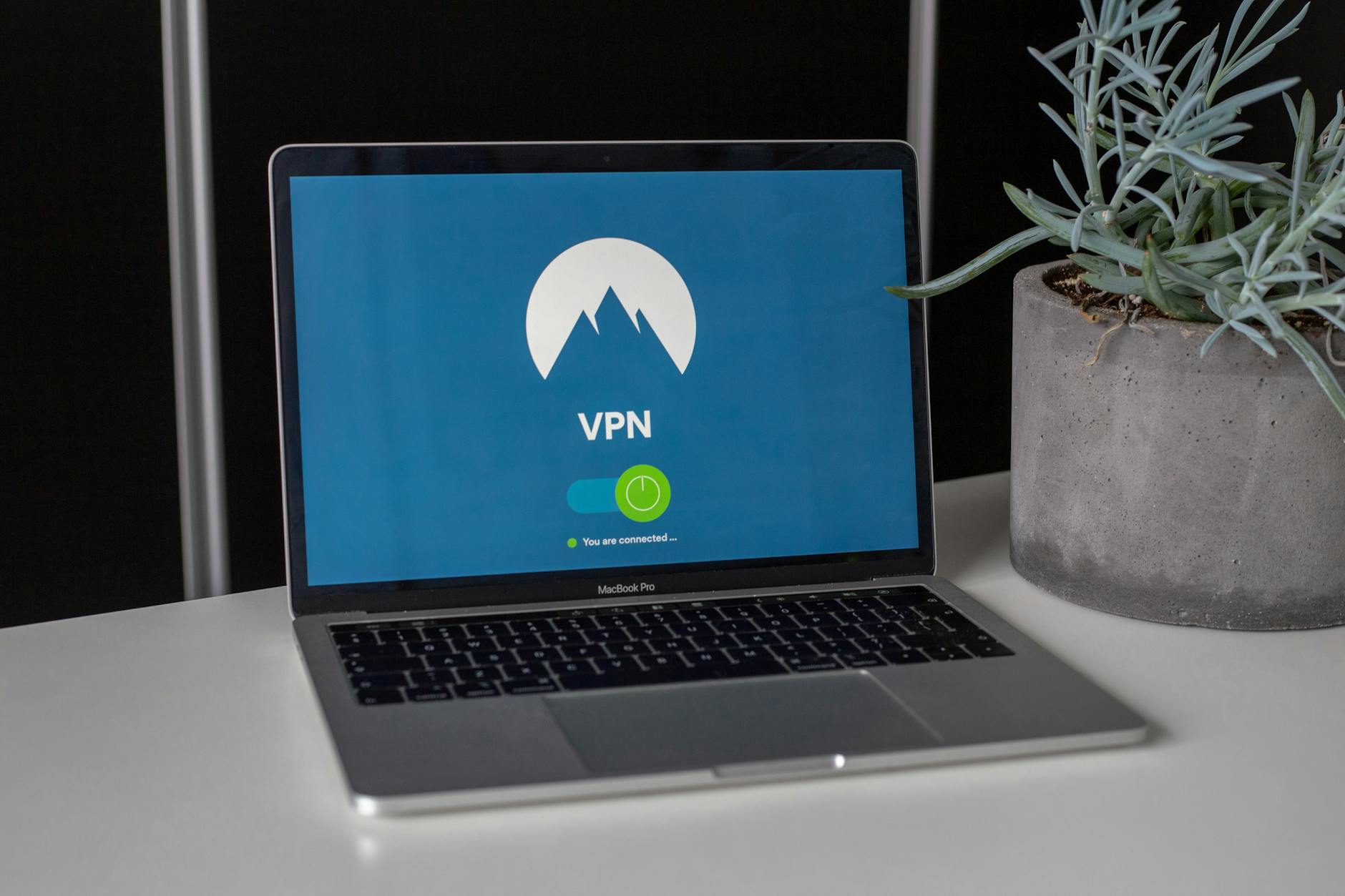
Understanding the 'Free' in Free VPN Chrome Extensions: What's the Catch?
The allure of a 'free' VPN Chrome extension is undeniable, promising enhanced privacy and unfettered access to geo-restricted content with a single click. However, it's crucial to understand that nothing is truly free in the digital realm. These extensions often operate on a business model that, while seemingly beneficial to the user, can come with significant hidden costs. Many free VPNs for Chrome rely on data monetization, meaning they might collect and sell your browsing data, IP address, and even your personal information to third-party advertisers or data brokers. This directly contradicts the very purpose of using a VPN – to protect your privacy.
Beyond data collection, free VPN Chrome extensions often present a range of other concerning 'catches' that can compromise your online security and experience. These include:
- Limited Features: Expect slower speeds, data caps, and a restricted selection of server locations compared to their premium counterparts.
- Malware and Adware: Some free extensions have been found to inject unwanted advertisements into your browser or even contain malicious software.
- Weak Encryption: The level of encryption offered is often subpar, making your data vulnerable to interception.
- Lack of Transparency: Many free services have opaque privacy policies, making it difficult to ascertain how your data is being handled.
Navigating the Free VPN Maze: Practical Tips, Security Risks, and Common FAQs
The allure of a 'free' VPN is undeniable, especially for those looking to protect their online privacy without dipping into their wallets. However, this seemingly convenient solution often comes with a hidden cost. Many free VPNs operate by collecting and selling your browsing data to third parties, flooding you with intrusive ads, or even injecting malware onto your device. It's crucial to understand that running a VPN service incurs significant operational costs, and if you're not paying with money, you're likely paying with your personal information. Be wary of services that offer unlimited bandwidth and features without any clear monetization strategy – if it sounds too good to be true, it probably is. Prioritize your digital security over potential short-term savings.
To navigate this complex landscape safely, consider these practical tips. Firstly, always read the privacy policy meticulously; opaque language or a lack of detail are major red flags. Secondly, be cautious of VPNs that require extensive permissions on your device. Thirdly, utilize reliable review sites and independent audits to assess a free VPN's credibility, but remember that even these can sometimes be manipulated. Finally, for truly robust security and privacy, opting for a reputable paid VPN service is almost always the superior choice. Many offer free trials or money-back guarantees, allowing you to test their performance before committing.
Your online footprint is valuable, protect it wisely.